Reimagining Indian Cricket Stadiums
The future of cricket venues in India
9/27/2026
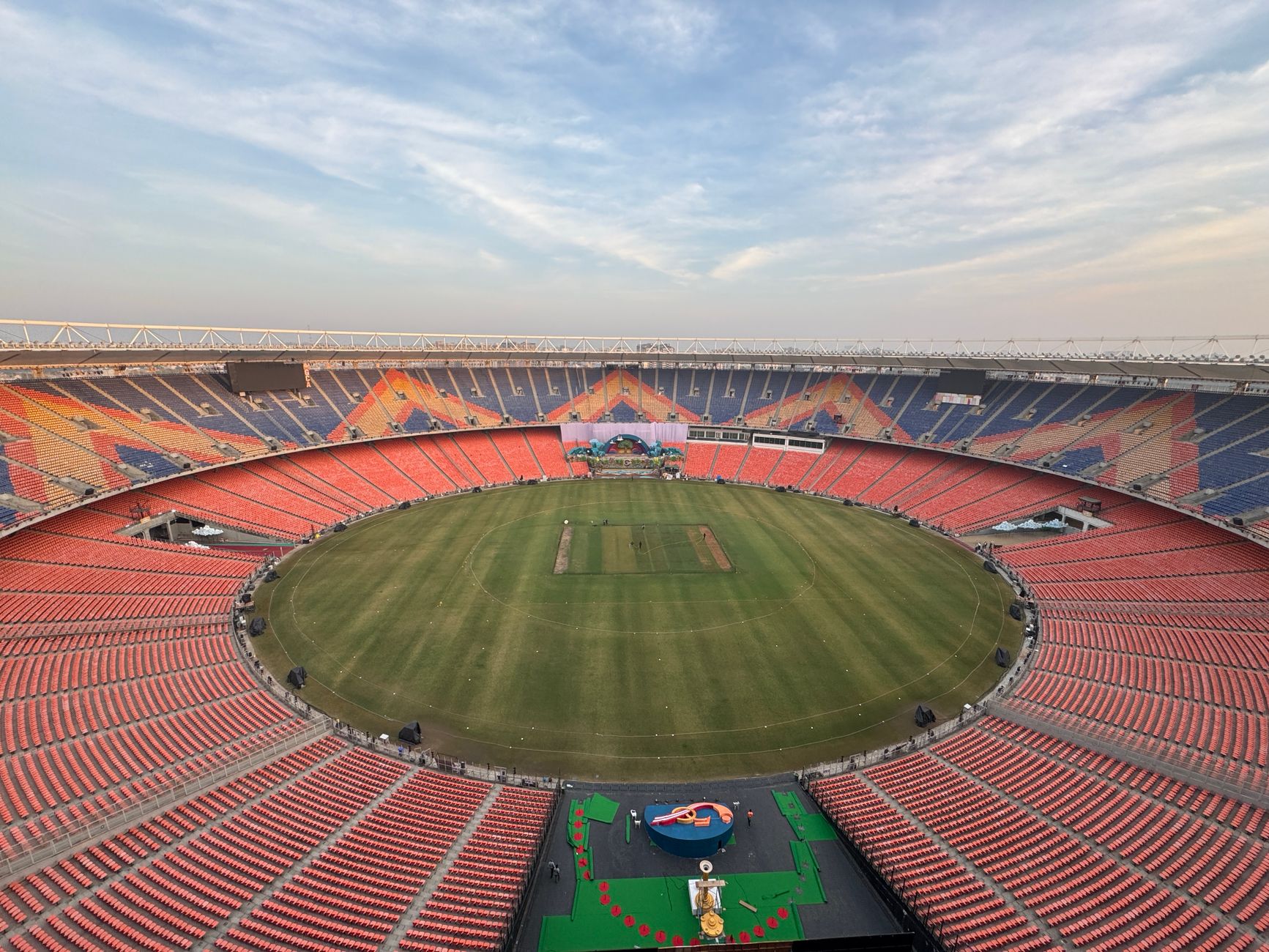
Current Transformation Trends
As of late September 2026, Indian cricket stadiums are in the midst of a major transformation. This shift is not just cosmetic; it aims to address critical issues such as safety, crowd management, and pitch quality. Cities like Delhi, Bengaluru, and Chennai are leading this charge, with various renovation and construction projects underway that promise to redefine the cricketing landscape in India.
Crucial Renovations Underway
The M. A. Chidambaram Stadium in Chennai has recently undergone significant renovations, including a complete relaying of the pitch and grass. This was essential ahead of the Men's T20 World Cup 2026, ensuring that the venue meets international standards. Similarly, the Arun Jaitley Stadium in Delhi is unavailable for the upcoming India-Sri Lanka ODI due to ongoing renovations aimed at upgrading the pitches and outfield.
In Bengaluru, the M Chinnaswamy Stadium is also undergoing renovations to address previously identified safety and crowd-management issues after a stampede incident in June 2025. These projects reflect a growing recognition of the need for safer and more enjoyable environments for fans attending matches.
New Stadium Developments
Beyond renovations, new stadium projects are on the horizon. In Uttar Pradesh, the foundation for the Varanasi Cricket Stadium was laid in September 2023, with expectations for completion ahead of IPL 2026. The state has ambitious plans to enhance its cricketing infrastructure, which could significantly boost local talent development.
The Delhi District Cricket Association (DDCA) is planning a new stadium with a capacity of 60,000 to 70,000, with potential locations being considered. This mega project indicates a commitment to expanding cricket's reach in the capital.
Karnataka is also in the game, announcing plans for an 80,000-seater stadium near Bengaluru in May 2026. This venue is set to become India's second-largest, following the Narendra Modi Stadium, which could change the dynamics of hosting significant matches in the country.
Challenges and Regulatory Hurdles
Despite these advancements, challenges loom. In July 2026, the National Green Tribunal (NGT) imposed restrictions on several major stadiums in Mumbai, including DY Patil and Wankhede, due to issues related to groundwater usage and inadequate rainwater harvesting systems. Such regulatory hurdles highlight the need for sustainable practices in stadium management.
Additionally, the Tau Devi Lal Stadium in Gurugram faced a structural audit after a wall collapse in early September 2026. Plans for a ₹634-crore upgrade are on the table, emphasizing the urgent need for safety improvements in existing infrastructure.
BCCI's Commitment to Excellence
The BCCI's Centre of Excellence in Bengaluru, a state-of-the-art facility built on previously idle land, marks a significant step towards improving cricket training and rehabilitation. Celebrating its second anniversary in August 2026, this centre is pivotal in shaping future cricketing talent in India.
CricLove Verdict
The transformation of Indian cricket stadiums is a necessary evolution, addressing safety, performance, and fan experience. As venues upgrade and new ones are constructed, the landscape of Indian cricket is set to change dramatically. However, it’s crucial for stakeholders to prioritize sustainability and regulatory compliance to ensure these venues serve future generations of cricket lovers. The next few years will be critical in shaping not only how cricket is played but also how it is experienced across the nation.

