MS Dhoni's Lasting Impact on Indian Cricket
Understanding Dhoni's Legacy in a New Era
8/17/2026
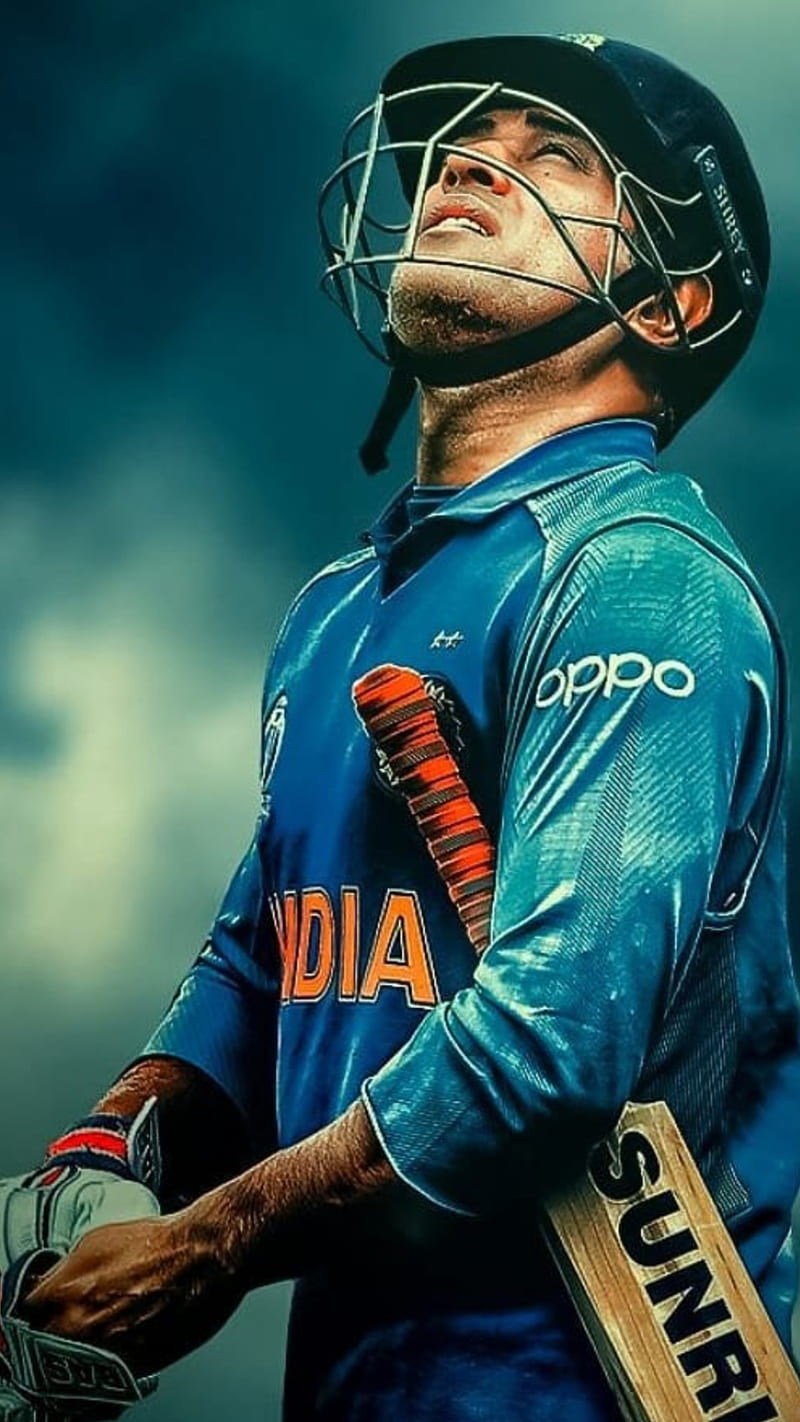
MS Dhoni's influence on Indian cricket extends well beyond his years as captain. He stepped down as India's limited-overs captain in January 2017 and retired from international cricket in August 2020, but the leadership culture he established continues to influence the way India approaches white-ball cricket.
Dhoni's captaincy era produced an unprecedented collection of major trophies. He led India to the inaugural T20 World Cup title in 2007, the 2011 ODI World Cup and the 2013 Champions Trophy, becoming the first captain to win all three major ICC men's white-ball tournaments. Under his leadership, India also reached No. 1 in the Test rankings in 2009.
What It Means
Dhoni's greatest contribution was arguably the culture of calmness and clarity he brought to the Indian dressing room. He was known for making bold decisions without appearing overwhelmed by the pressure surrounding them. His decision to promote himself ahead of Yuvraj Singh in the 2011 World Cup final is one of the clearest examples of his willingness to trust his own judgement in a decisive moment.
His leadership also coincided with the emergence of several players who went on to become central figures in Indian cricket. The 2007 T20 World Cup campaign provided opportunities for a younger generation, including Rohit Sharma, while Virat Kohli eventually succeeded Dhoni as India's limited-overs captain. Dhoni's relationship with Kohli was particularly important to India's leadership transition, with Kohli serving as his deputy before taking over the captaincy.
Dhoni's legacy is also visible in the expectations placed on Indian captains today. Winning is no longer considered enough; captains are expected to remain composed in major tournaments, develop young players and handle the enormous pressure surrounding the Indian team.
What To Watch Next
The current generation of Indian cricket is entering a different phase. Shubman Gill is now India's ODI captain, while Rohit Sharma and Virat Kohli remain part of the ODI setup as senior players. Shreyas Iyer is the vice-captain, creating a leadership structure that combines experience with a younger generation.
The interesting question is how much of Dhoni's influence will continue through this transition. Gill will inevitably be judged against the standards established by previous Indian captains, but his challenge is not to replicate Dhoni's personality or tactics. It is to develop a leadership style suited to his own generation.
The continued presence of experienced players such as Rohit and Kohli could also help the transition. Both played under Dhoni and experienced his approach from inside the dressing room, giving them an opportunity to pass elements of that culture to the younger members of the squad.
CricLove Verdict
MS Dhoni's legacy is difficult to measure simply through statistics. His three ICC titles as captain, India's rise to No. 1 in Test cricket and his remarkable record in limited-overs cricket provide the numbers, but his larger impact came through the culture he helped establish.
He showed that an Indian captain could remain calm while making unconventional decisions, trust young players in high-pressure situations and take responsibility when the stakes were at their highest.
India has moved through several leadership transitions since Dhoni's departure, and the team will continue to evolve. But the benchmark created during his captaincy remains.
Dhoni did not simply leave behind trophies. He left behind a model of leadership that continues to influence how Indian cricket thinks about pressure, decision-making and winning.