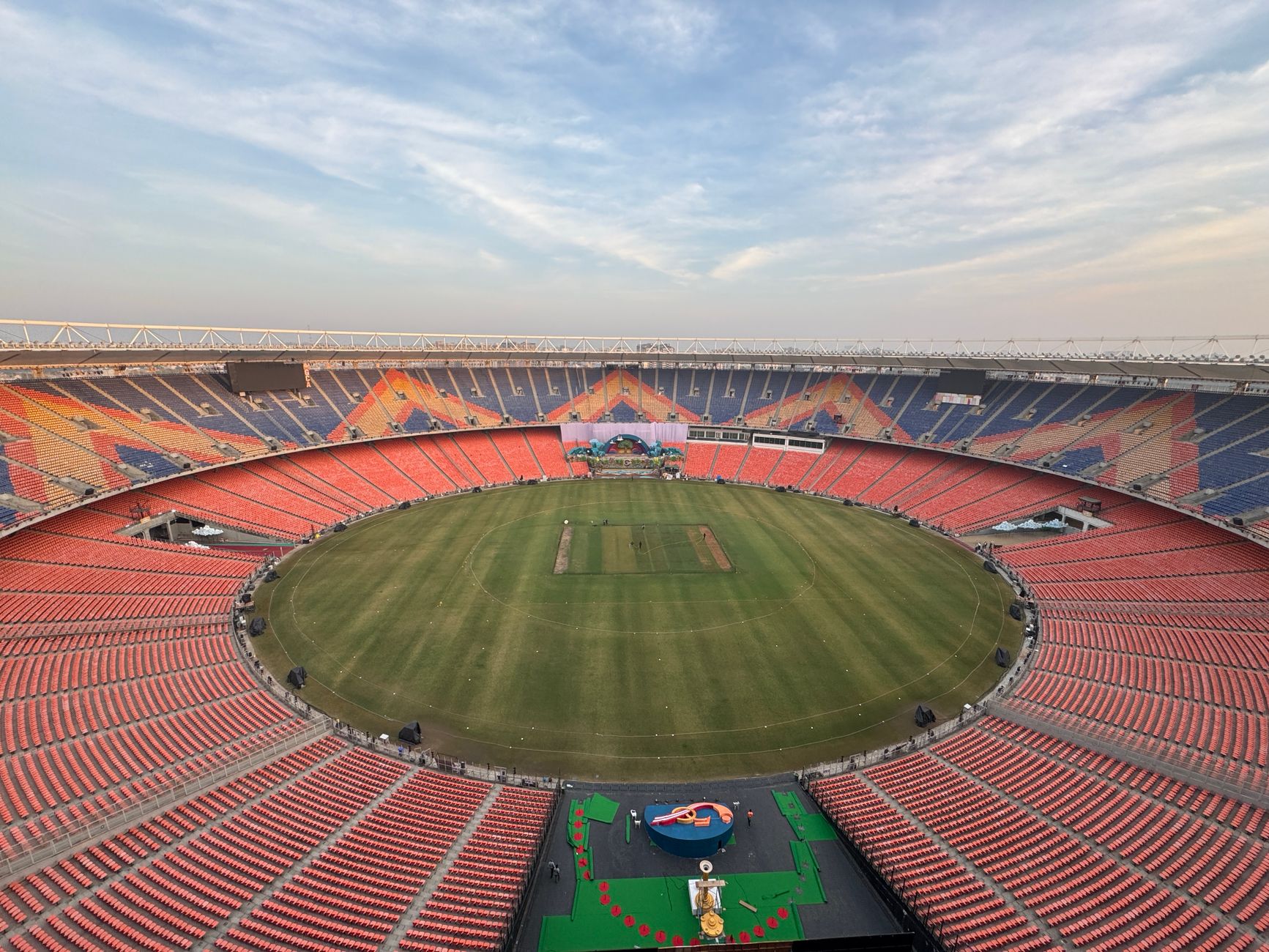
The Global Surge of T20 Cricket
Why T20 is the Future of Cricket
9/27/2026

The Rise of T20 Cricket
T20 cricket, first introduced at the professional level in 2003, has swiftly evolved to become the leading format of the game. With the ICC Men’s T20 World Cup expanding from 12 to 20 teams by 2026, the format has attracted a broader audience, significantly impacting global cricket dynamics. This growth is not merely statistical; it reflects changing viewer preferences and the increasing commercial viability of the format.
Impact of the 2026 T20 World Cup
The 2026 ICC Men’s T20 World Cup, co-hosted by India and Sri Lanka, marked a milestone in the tournament’s history. This edition set new digital engagement benchmarks, with an impressive 28% increase in unique users on ICC.tv and a staggering 56% rise in total playtime. The tournament attracted nearly 1.3 million fans in-stadia, showcasing a strong interest even beyond traditional cricketing nations. Matches involving Associate nations like Nepal and Italy drew enthusiastic crowds, indicating a growing global cricket community.
Emerging Markets Fueling Growth
Non-traditional markets have played a crucial role in T20's expansion. Countries like Germany and Italy reported growths of 150% and 136% in unique users, respectively. This trend is proof of cricket's potential to capture new audiences in regions previously indifferent to the sport. The digital engagement, especially during the T20 World Cup, highlights how T20 is not just a sport but a global entertainment phenomenon, appealing to diverse demographics.
Franchise Leagues as a Core
Franchise T20 leagues now dominate cricket viewership, comprising about 75% of total engagement. The upcoming Malaysia T20 League, launching in September-October 2026, exemplifies this trend. These leagues have become the commercial core of cricket, driving interest and investment in the game. The success of leagues like the IPL and LPL has opened doors for new franchises, enhancing cricket's global footprint and commercial appeal.
Future of T20 Competitions
The ICC's recent decisions to revise the format for the Men’s T20 World Cup 2028 and establish a Global Qualifier for T20 World Cups reflect a commitment to enhancing competitiveness. By maintaining the 20-team format while introducing new stages, the ICC aims to provide emerging nations with more opportunities to compete at the highest level. This initiative is crucial for the growth of cricket, ensuring that it remains inclusive and competitive.
The Selection Landscape
As T20 cricket continues to grow, the competition for places in national teams becomes fiercer. The expansion of T20I status to all men's matches between ICC members since January 2019 has enabled broader participation. This inclusivity allows Associate nations to compete and develop, creating a richer talent pool. With the rise of franchise leagues, players are increasingly exposed to high-quality cricket, further raising the bar for selection.
CricLove Verdict
T20 cricket is not just a passing trend; it is reshaping the landscape of global cricket. With its ability to engage new audiences and generate substantial revenue, the format is here to stay. The ICC's strategic moves to expand competitions and support emerging nations are vital for the sport's future. As T20 continues to thrive, it will be interesting to see how traditional formats adapt and evolve in response to this dynamic shift. The future of cricket undeniably lies in the hands of T20.