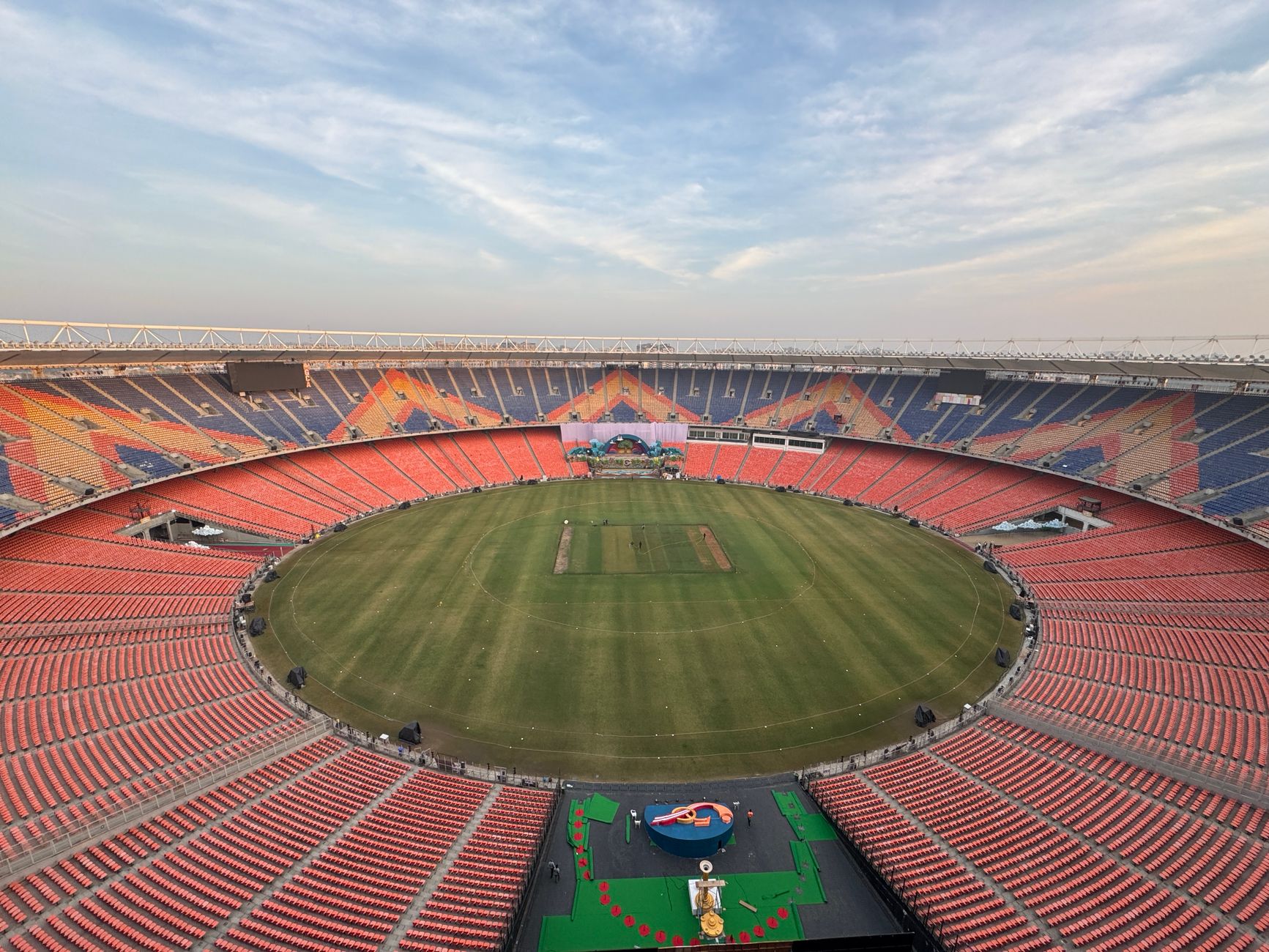
The Financial Power of Cricket in India
Why cricket dominates India's sports economy
9/27/2026

Cricket's Dominance in India
As of September 2026, cricket is not merely a sport in India; it is the backbone of the country's sports economy. The Indian Premier League (IPL) and the Board of Control for Cricket in India (BCCI) are at the heart of this commercial success story. With cricket accounting for a staggering 89% of India’s sports economy, generating approximately ₹16,704 crore in 2025, the figures speak volumes about its cultural and economic significance.
The evidence
The statistics reveal cricket's overwhelming presence in India’s sports sector. In 2025, cricket captured 81% of the total sponsorship spending and an astounding 87% of athlete endorsements. Media investments reflect a similar trend, where cricket constituted 95% of the total. This dominance translates into a strong media rights market, with the IPL's media rights auction for 2023-27 reaching a cumulative value of ₹48,390.32 crore. The IPL’s enterprise value climbed to US$20.6 billion in 2026, showcasing its immense financial appeal.
Additionally, significant events like India-Pakistan matches generate substantial commercial value, estimated between US$250–500 million. This highlights the lucrative potential of cricketing rivalries, which are a goldmine for sponsors and broadcasters alike.
The BCCI’s Financial Health
The BCCI's financials reflect its crucial role in India's cricket ecosystem. For the financial year 2024-25, it reported a gross revenue share payable to players of ₹412.10 crore, a significant increase from ₹89.13 crore the previous year. With a projected surplus of about ₹6,700 crore for FY 2025-26, the BCCI is poised to continue its financial dominance. the ICC distributions to BCCI surged from ₹1,042.35 crore in 2023-24 to ₹3,065.40 crore in 2024-25, indicating growing international revenues.
The counter-argument
While cricket's financial success is undeniable, it is important to acknowledge the competition within the Indian sports landscape. Other sports, such as football, kabaddi, and badminton, are gradually gaining attention and investment. The Indian Super League (ISL) and Pro Kabaddi League (PKL) are examples of leagues striving to carve out their share of the sports economy. However, despite these efforts, cricket remains the overwhelming favorite among fans and sponsors, often overshadowing these emerging sports.
The IPL's franchise sales, such as the recent acquisition of Royal Challengers Bengaluru for US$1.78 billion, demonstrate the continued high valuation of cricket franchises, further entrenching the sport's dominance. Yet, the rise of other sports leagues indicates a potential shift in viewing habits, particularly among younger audiences who seek diverse sporting experiences.
The Verdict
Cricket's supremacy in India's sports economy is firmly established, with the IPL and BCCI leading the charge. The numbers reflect a system that not only generates immense revenue but also fosters a culture of cricket fandom that is unparalleled. While competition exists, it is unlikely to dethrone cricket from its position as the dominant force in Indian sports anytime soon. The combination of lucrative sponsorship deals, substantial media rights, and the emotional connection fans have with cricket ensures its continued growth and relevance in the coming years.
CricLove Verdict: Cricket's financial might in India is unassailable. For now, it remains the king of sports, and its future looks brighter than ever.