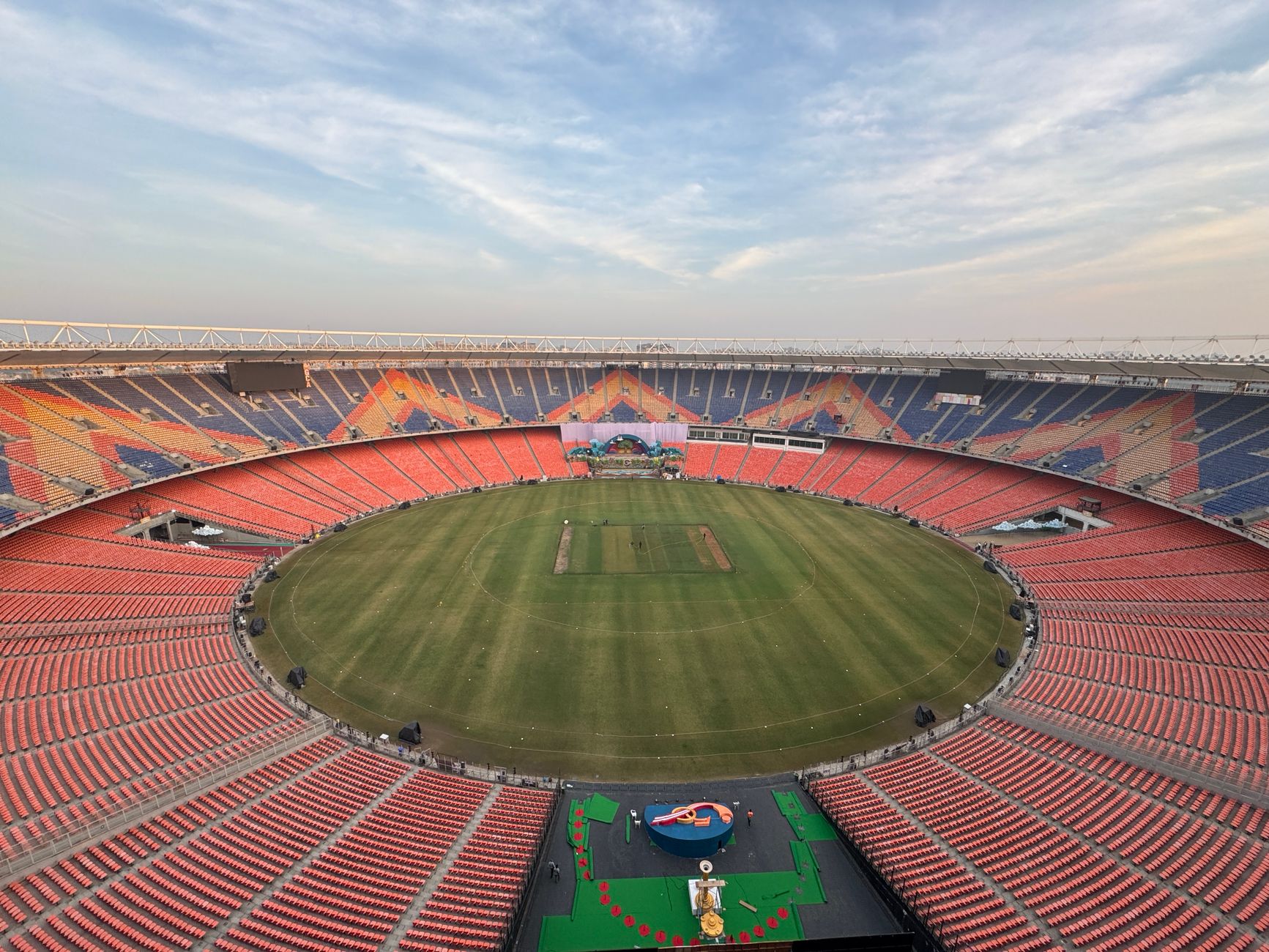
India vs Pakistan: The Ultimate Cricket Rivalry
A clash that transcends sport and unites nations.
8/17/2026
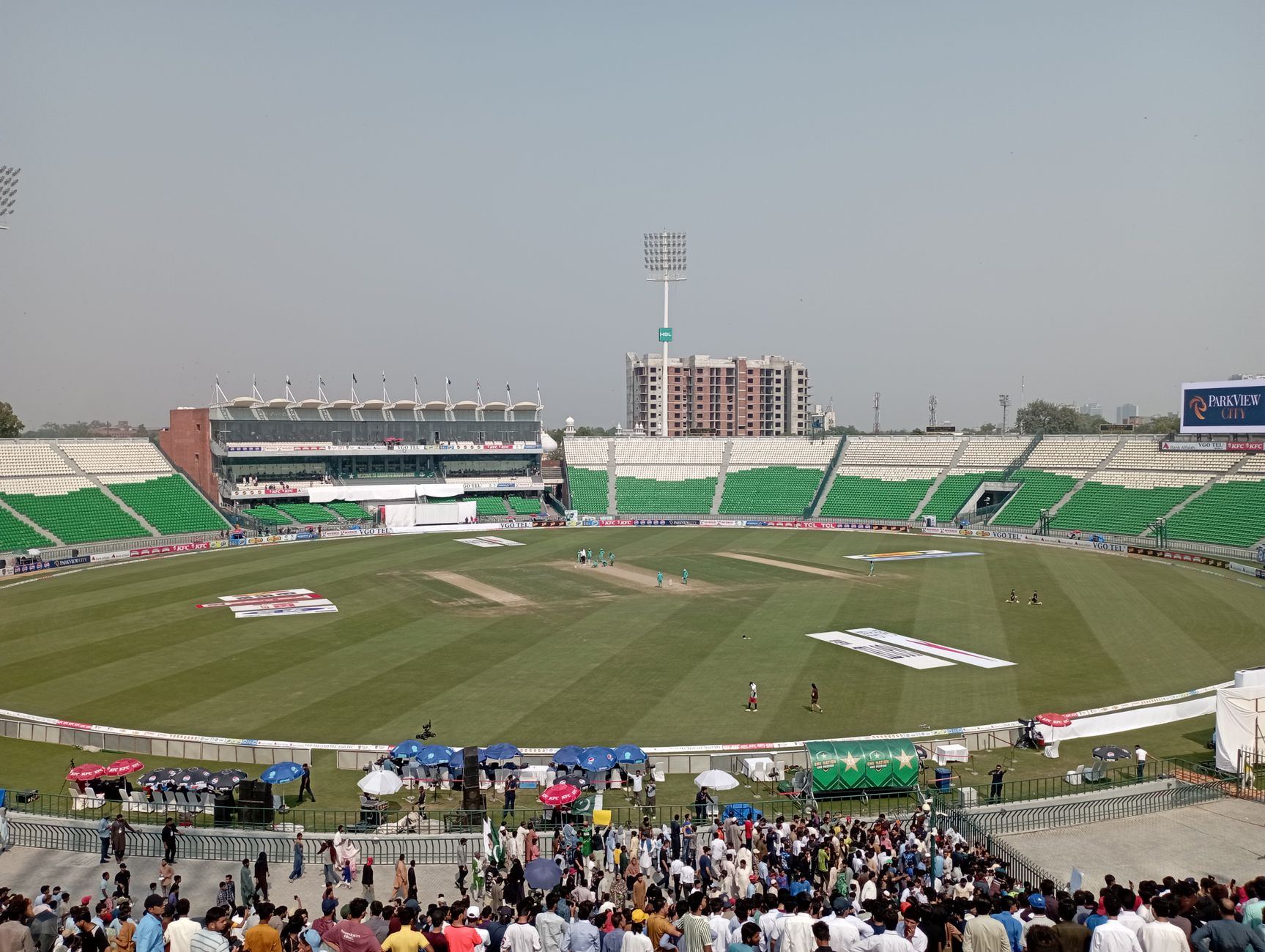
India vs Pakistan: The Ultimate Cricket Rivalry
Context
Few sporting rivalries carry the emotional weight of an India-Pakistan cricket match. The contest extends far beyond the boundary ropes, combining sporting history, national pride, enormous public attention and the pressure of playing against an opponent that understands the significance of every ball.
For millions of fans, India versus Pakistan is not simply another international fixture. It is an event that can dominate conversations for days, attract enormous television audiences and turn individual moments into lasting cricket memories.
The rivalry has also developed a unique character because regular bilateral cricket between the two countries has been limited for long periods. As a result, encounters in major tournaments have become even more significant.
Every meeting feels like an occasion.
What It Means
The roots of the rivalry go back to the partition of British India in 1947. Cricket inherited some of the sporting history of the subcontinent, but the political relationship between the two countries gave the contest a much deeper significance.
India and Pakistan first played a Test series in 1952. Over the following decades, cricket became one of the few platforms where the two countries could compete directly.
The rivalry gradually grew.
Every generation produced new heroes, new controversies and new defining moments.
In the early years, Pakistan often enjoyed the advantage in Test cricket. Players such as Hanif Mohammad, Fazal Mahmood and later Imran Khan became central figures in Pakistan's cricketing history.
India eventually developed its own great generation.
Sunil Gavaskar became one of the world's greatest opening batsmen. Kapil Dev emerged as an exceptional all-rounder and captain. Later, Sachin Tendulkar became the face of Indian cricket.
The rivalry became increasingly associated with individual battles.
A fast bowler against a legendary batsman.
A spinner trying to outthink an aggressive middle order.
A captain attempting to handle the pressure of a packed stadium.
These individual contests gave the rivalry much of its character.
One of the most memorable periods came during the 1990s.
Sachin Tendulkar became a central figure in India's matches against Pakistan, while Pakistan possessed a formidable bowling attack led by Wasim Akram and Waqar Younis.
The combination of Tendulkar's batting brilliance and Pakistan's devastating fast bowling created some of the most anticipated contests of the era.
The rivalry reached another level in World Cup cricket.
For many years, Pakistan had been unable to defeat India in the ODI World Cup. That record became a psychological storyline in itself.
India's World Cup dominance over Pakistan continued through several tournaments, adding another layer to the rivalry.
Then came 2021.
At the T20 World Cup in the United Arab Emirates, Pakistan finally defeated India in a World Cup match.
Babar Azam and Mohammad Rizwan guided Pakistan to a comprehensive victory, ending India's long unbeaten World Cup record against Pakistan.
The result was historic for Pakistan.
It also demonstrated how quickly the narrative surrounding a rivalry can change.
India responded spectacularly at the 2022 T20 World Cup.
At the Melbourne Cricket Ground, India appeared to be struggling while chasing 160.
Virat Kohli produced one of the greatest innings of his career.
His unbeaten 82 from 53 balls kept India alive before the match reached an extraordinary final over.
India eventually won with four wickets in hand.
The match became one of the most celebrated India-Pakistan encounters ever played.
Kohli's innings was particularly significant because of the circumstances.
India had lost early wickets.
Pakistan's fast bowlers were creating pressure.
The required run rate was climbing.
Yet Kohli continued to calculate the chase rather than panic.
His late assault against Haris Rauf, including two extraordinary sixes, completely changed the match.
The victory became a reminder of why individual performances become so important in this rivalry.
A single innings can define an era.
The rivalry has also produced extraordinary bowling performances.
Pakistan's fast-bowling tradition has always been one of the country's greatest strengths.
Wasim Akram, Waqar Younis, Shoaib Akhtar, Mohammad Amir, Shaheen Shah Afridi and others have represented different generations of Pakistan's pace attack.
India, meanwhile, has increasingly developed its own fast-bowling identity.
Jasprit Bumrah has become one of the most important figures in India's modern attack, while Mohammed Shami, Mohammed Siraj and other quicks have added depth.
This has created fascinating contrasts between the two teams.
Pakistan's traditional strength in fast bowling has been challenged by India's modern pace generation.
The batting contest has evolved in the same way.
India has produced Tendulkar, Rahul Dravid, Sourav Ganguly, Virender Sehwag, Virat Kohli and Rohit Sharma.
Pakistan has produced Javed Miandad, Inzamam-ul-Haq, Mohammad Yousuf, Younis Khan, Babar Azam and Mohammad Rizwan.
Each generation has produced players capable of changing the match almost single-handedly.
The pressure surrounding the fixture also makes performances more difficult.
Players know that mistakes will be replayed repeatedly.
A dropped catch can become a national talking point.
A missed run-out can be remembered for years.
A six in the final over can become part of cricket folklore.
That pressure explains why some players who dominate other opponents can struggle in India-Pakistan matches.
The occasion itself becomes another opponent.
The rivalry is also unusual because of its limited frequency.
India and Pakistan do not regularly play bilateral cricket against each other, meaning fans often have to wait for major tournaments to see the teams meet.
That scarcity has increased the importance of every encounter.
An India-Pakistan match in a major tournament is often treated almost like a final, regardless of the actual stage of the competition.
The commercial impact is enormous as well.
Broadcasters, sponsors, advertisers and tournament organisers recognise the enormous audience generated by the fixture.
For cricket's global economy, few matchups can generate the same level of attention.
But the rivalry is ultimately sustained by the fans.
Indian and Pakistani supporters often follow the game with extraordinary intensity.
Family members, friends and colleagues can support opposite sides, turning a single match into a shared social experience.
That emotional investment is what keeps the rivalry alive across generations.
What To Watch Next
The future of India-Pakistan cricket will depend heavily on the tournament calendar and the broader relationship between the two cricket boards.
Because bilateral cricket remains limited, major ICC tournaments and other multi-team competitions are likely to remain the primary stage for the rivalry.
The next generation of players will also create new storylines.
India has a deep pool of young batting and bowling talent, while Pakistan continues to produce exciting fast bowlers and emerging batsmen.
The rivalry will therefore evolve as the established stars gradually give way to younger players.
The biggest question is whether the next generation can create moments as memorable as Tendulkar's battles with Pakistan's fast bowlers, Kohli's Melbourne masterclass or Pakistan's historic 2021 World Cup victory.
CricLove Verdict
India versus Pakistan is more than a cricket rivalry.
It is a sporting contest shaped by history, emotion, expectation and enormous public attention.
The teams have produced some of cricket's greatest players and some of its most unforgettable matches.
From Wasim Akram and Sachin Tendulkar to Virat Kohli and Babar Azam, different generations have added their own chapters to the story.
What makes the rivalry particularly powerful is its unpredictability.
Records can become irrelevant.
Form can disappear.
A player who has struggled for months can suddenly produce the innings of his life.
That is why India-Pakistan matches remain so compelling.
The rivalry is not simply about which team has more talent.
It is about who can handle the moment.
And when the two teams meet, every ball carries the possibility of becoming part of cricket history.