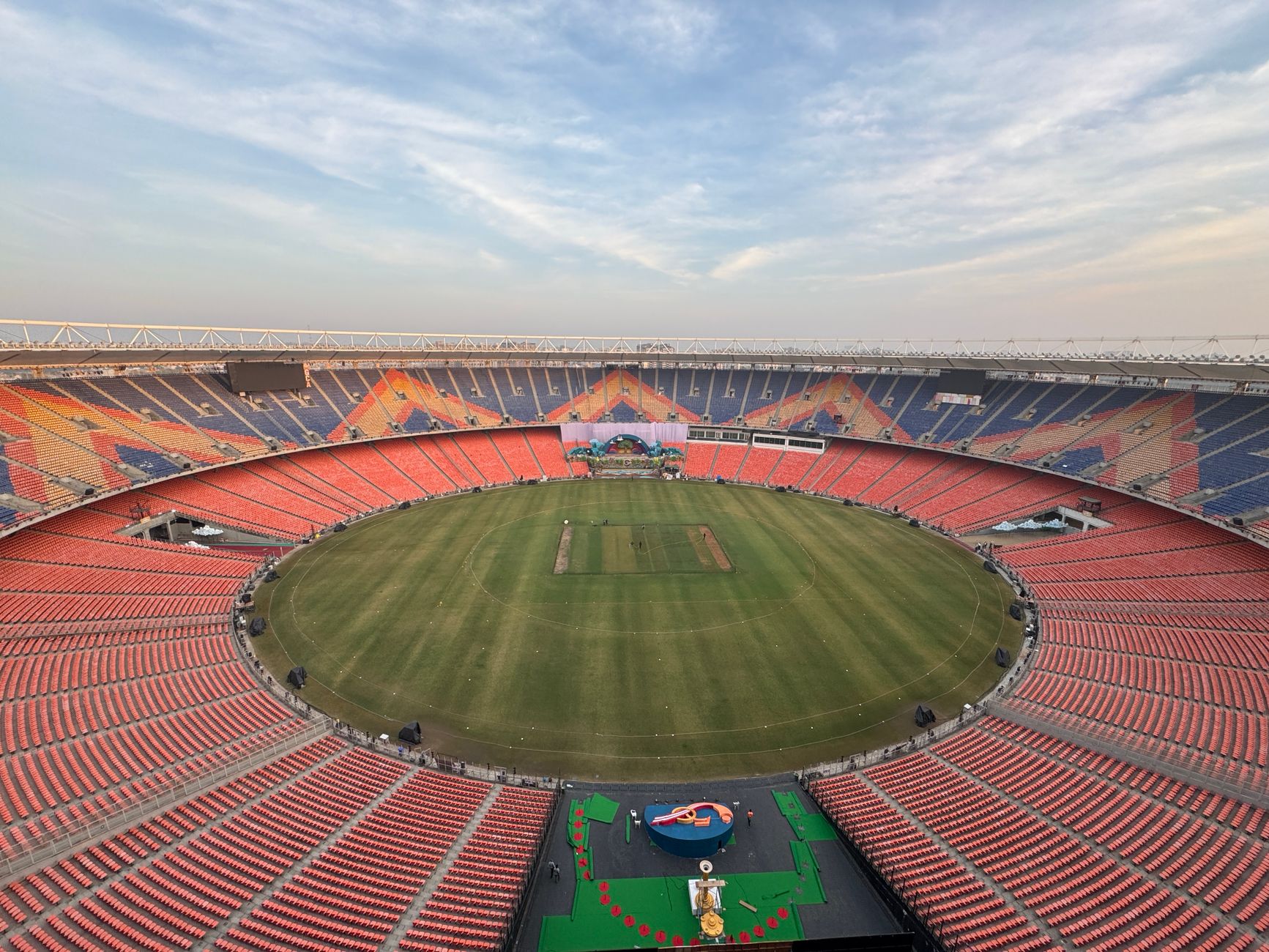
Franchise Cricket: A Global Phenomenon
Understanding its Impact on Traditional Formats
8/17/2026
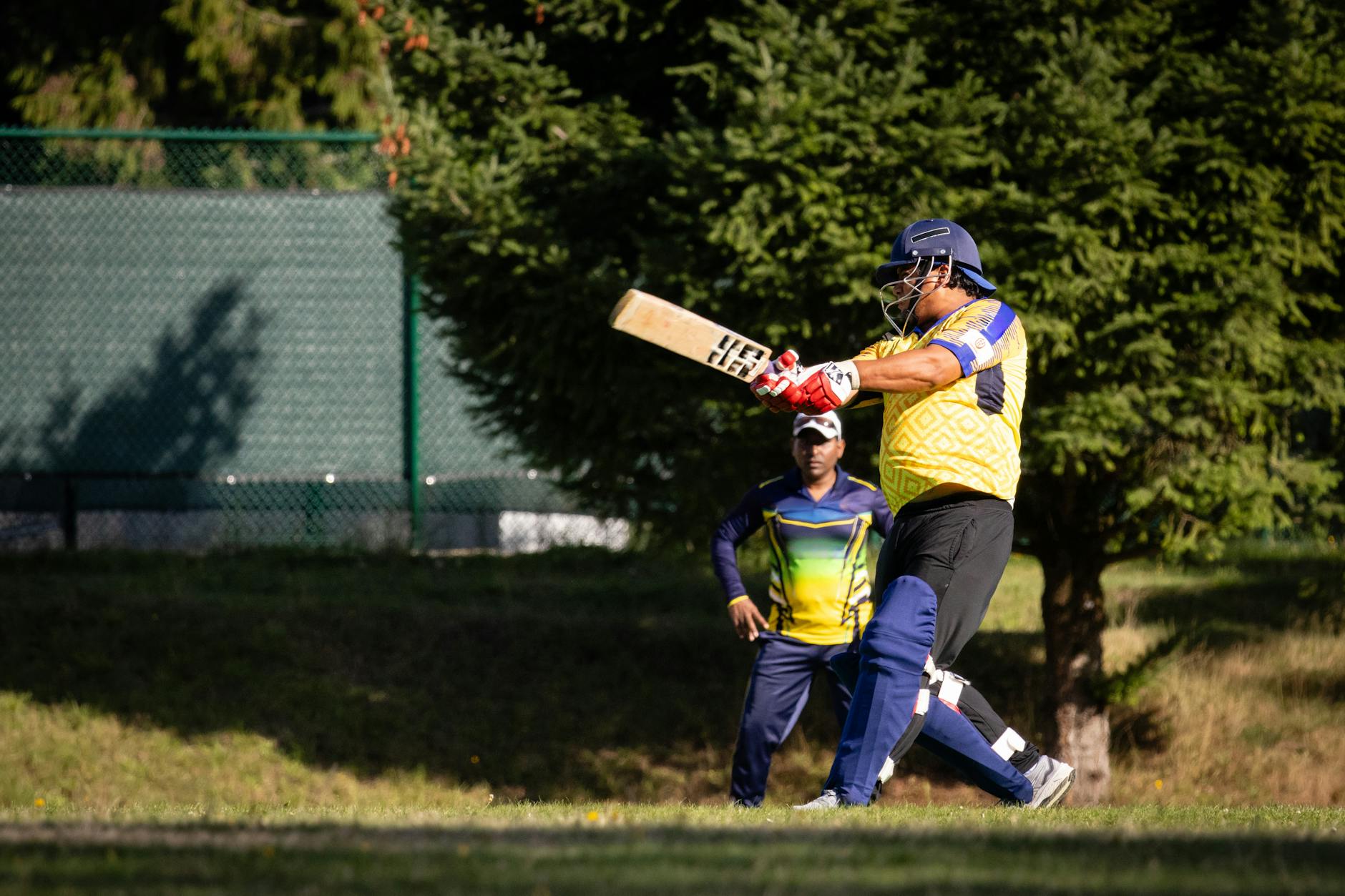
Franchise Cricket: A Global Phenomenon
Context
Cricket was once largely defined by international teams. Players represented their countries, domestic competitions developed talent and Test cricket remained the ultimate measure of achievement.
That structure has changed dramatically.
The rise of franchise cricket has created a second global ecosystem in which players from different countries compete together for privately owned teams. The Indian Premier League played the biggest role in driving this transformation, but leagues in Australia, England, Pakistan, the Caribbean, South Africa and other markets have helped turn franchise cricket into a worldwide phenomenon.
Today, a young cricketer can build a career not only through international cricket but also through a network of domestic and international T20 leagues.
Franchise cricket has changed how players earn money, how teams scout talent, how fans consume the sport and even how cricket boards think about player workloads.
What It Means
The Indian Premier League was the major turning point.
When the IPL began in 2008, the concept of a city-based T20 league featuring international stars was still relatively new. The tournament combined cricket with entertainment, major commercial investment, celebrity ownership and a short, television-friendly format.
Its success changed the economics of cricket.
Players who had previously depended primarily on international contracts and domestic cricket suddenly had access to lucrative franchise opportunities.
For young cricketers, the IPL also created a new route to recognition.
A player did not necessarily need to spend years as an established international cricketer before becoming a global name. A spectacular season in a franchise league could attract worldwide attention almost overnight.
The league also changed the way teams identified talent.
Franchises began looking beyond traditional cricketing reputations.
They looked at strike rates, matchups, death-bowling ability, power-hitting, fielding, fitness and performances in specific conditions.
This created opportunities for players from countries that had previously received less attention from the global cricket system.
The impact spread quickly.
Australia's Big Bash League established itself as one of the major T20 competitions.
England developed The Hundred alongside its traditional domestic structure.
Pakistan launched the Pakistan Super League.
The Caribbean Premier League became an important platform for West Indian cricket.
South Africa developed the SA20.
Sri Lanka, Bangladesh, the UAE and other markets have also hosted franchise competitions.
Each league has its own identity, but they share the same basic idea.
Build teams around a mixture of domestic talent and international players and create a compact competition designed for modern audiences.
The result has been a global cricket calendar unlike anything that existed before.
A player can now move from one franchise league to another, sometimes playing in several countries during the same year.
This has created a new category of cricketer.
The franchise specialist.
Some players have become particularly valuable because of their expertise in T20 cricket even if they are not regulars in international teams.
A specialist death bowler, for example, can be extremely valuable to a franchise even if his Test career is limited.
Similarly, a batter with an exceptional power game may become a sought-after T20 player.
Franchise cricket has therefore expanded the definition of a successful cricket career.
It has also created a new form of global dressing-room culture.
Players from India, Australia, England, Pakistan, South Africa, the Caribbean and other cricketing nations can now spend weeks playing together.
They share techniques, training methods and tactical ideas.
A young player can learn from an international superstar without having to face him as an opponent.
This exchange has accelerated the development of T20 cricket.
Different countries have contributed different strengths.
The Caribbean brought an aggressive power-hitting culture.
Australia contributed athleticism and tactical flexibility.
India brought enormous commercial reach and a deep domestic talent pool.
England helped develop innovative approaches to limited-overs cricket.
Pakistan has continued to produce exceptional fast bowlers.
South Africa has developed another strong generation of all-rounders and T20 specialists.
Franchise cricket has effectively created a global laboratory for the sport.
The financial impact has been equally significant.
The IPL demonstrated that cricket could generate enormous commercial value through a combination of broadcasting rights, sponsorships, ticket sales, merchandising and digital engagement.
Other leagues have attempted to build similar commercial models.
This has created new revenue streams for players, franchises, broadcasters and cricket boards.
For some players, franchise cricket can provide financial security that would have been difficult to achieve through domestic cricket alone.
But the financial success has also created difficult questions.
The biggest concern is the relationship between franchise cricket and international cricket.
International cricket remains the foundation of the sport, but players increasingly have to choose how they allocate their time.
A player may have an opportunity to represent his country or sign a lucrative franchise contract.
In some cases, the financial incentives can make that decision complicated.
Cricket boards therefore face a difficult balancing act.
They need to protect international cricket while recognising that franchise leagues are now an important part of the modern game.
Player workload has become another major issue.
The global franchise calendar means that elite players can potentially play almost year-round.
T20 cricket may involve fewer overs than a Test match, but constant travel, training, matches and changes in climate can still place significant stress on players.
Fast bowlers face particularly difficult physical demands.
The growing importance of workload management has already led international teams to rest players from certain competitions.
This is likely to become an even bigger issue as franchise cricket continues expanding.
Another major consequence is tactical innovation.
Franchise teams can experiment with new strategies without the same long-term pressure faced by international sides.
Coaches and players move between leagues and carry ideas with them.
A tactical innovation introduced in one competition can appear in another league a few months later.
This has helped accelerate the evolution of T20 cricket.
Batting has become more aggressive.
Bowling plans have become more specialised.
Fielding standards have improved.
Matchups have become central to tactical planning.
Analytics have also become an integral part of franchise cricket.
Teams analyse players in extraordinary detail.
They can determine where a batter scores most of his runs, which bowling styles cause him problems and how a bowler performs against different types of batsmen.
This information can influence team selection, auction strategy and in-game decisions.
The franchise model has therefore transformed cricket from a sport based largely on traditional scouting into one increasingly driven by data and specialised roles.
There is also a cultural impact.
Franchise teams have developed their own identities.
Fans may follow a particular team even if they live thousands of kilometres away.
A supporter in India can follow a Caribbean franchise.
An Australian fan can follow an Indian player.
A South African player can become a star in an English competition.
This has created a truly international fan culture.
At the same time, franchise cricket has given players a new form of professional identity.
They are no longer known only by their national teams.
A player can become strongly associated with a particular franchise, city or league.
That connection can survive even after the player moves to another team.
What To Watch Next
The biggest question is how large the franchise cricket ecosystem can become without overwhelming international cricket.
More leagues are likely to emerge, while existing competitions will continue competing for the world's best players.
The cricket calendar may therefore become increasingly complicated.
International boards will need to coordinate schedules more carefully, particularly around major ICC tournaments.
Player contracts could also become more complex.
As franchises become increasingly wealthy, long-term agreements and exclusive contracts may become more common.
This could potentially give players greater financial security but may also create tension with national teams.
The next major development could be the growth of global franchise networks.
Some ownership groups already have interests in multiple leagues, allowing them to build relationships with players and develop talent across different competitions.
This could eventually create something resembling a global club system.
Young players may move through franchise networks from one league to another, gaining experience in different conditions and playing alongside international stars.
For cricket, that would represent an enormous structural change.
CricLove Verdict
Franchise cricket has changed the sport permanently.
The IPL demonstrated that T20 cricket could become a major commercial entertainment product. Other leagues then expanded the model across the cricketing world.
The result is a sport where players can build careers through multiple pathways, fans can support teams across borders and tactical ideas can spread rapidly between countries.
But the growth comes with challenges.
International cricket remains the sport's traditional foundation, and the balance between country and franchise will become increasingly important.
Player workload, scheduling, financial inequality and the crowded global calendar will all need careful management.
The franchise revolution is unlikely to stop.
The real question is what cricket looks like once franchise leagues become an even larger part of the professional game.
If managed correctly, franchise cricket can expand the sport's global audience, create new opportunities for players and accelerate innovation.
But international cricket must remain strong enough to give the sport its identity.
The future of cricket may not belong entirely to countries or entirely to franchises.
It may belong to a system where both coexist — competing for players, audiences and attention while collectively pushing the game into a new era.