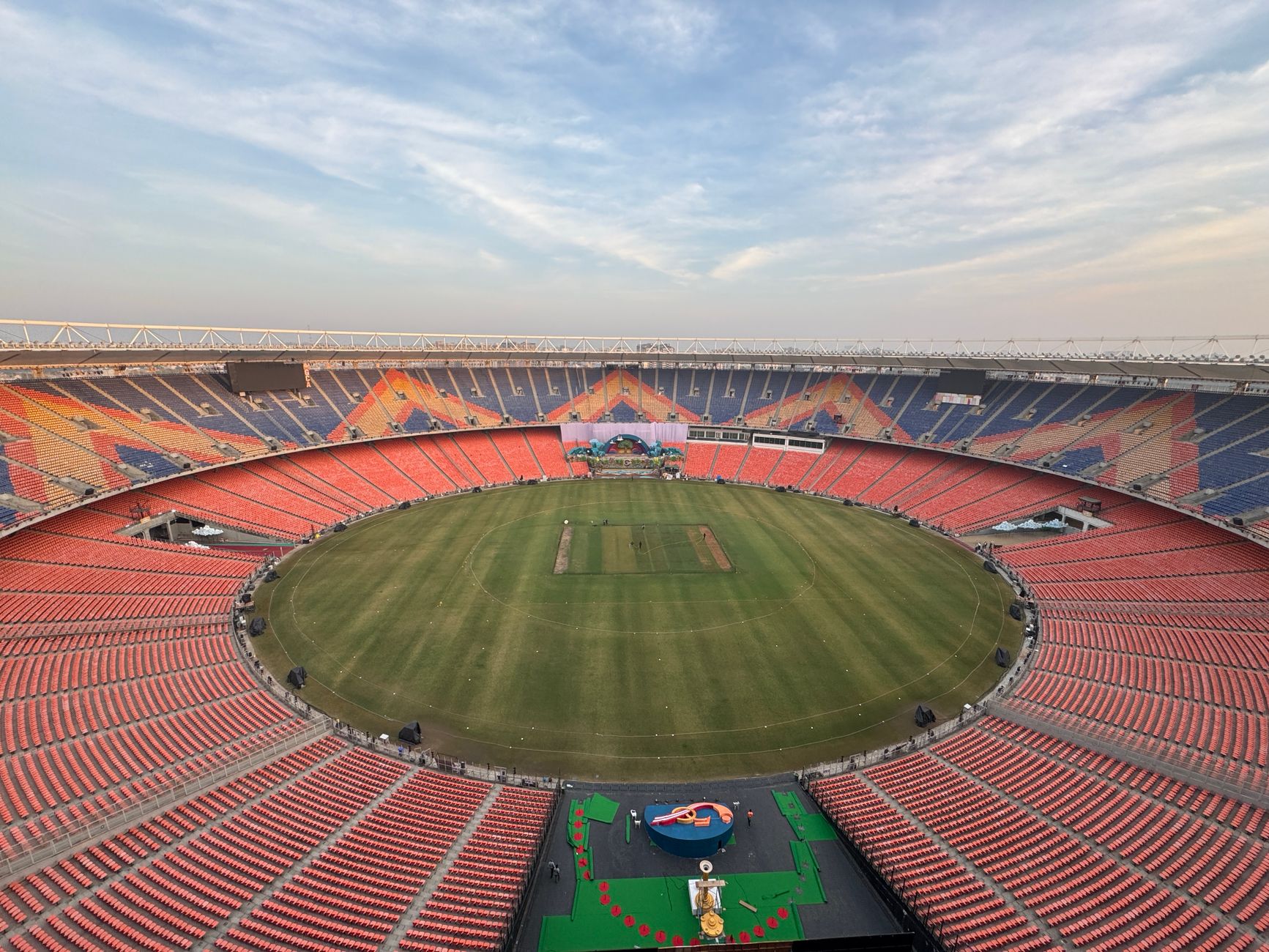
IPL: The Catalyst of Change in Indian Cricket
Why the IPL is a big shift for cricket as we know it
9/27/2026

The Transformation of Cricket
The Indian Premier League (IPL) has fundamentally changed cricket since its launch in 2008. This professional Twenty20 league, run by the BCCI, has become synonymous with innovation and commercial success. It introduced a franchise-based model that revolutionised cricket administration and match presentation, creating a new era for the sport.
The league comprises ten city-based franchises competing in a 74-match season held annually from March to May. This structure, along with its round-robin format and playoffs, has enhanced viewer engagement and created a spectacle that attracts audiences worldwide. The IPL is now regarded as the most popular and wealthiest cricket league globally, establishing itself as one of the richest sporting leagues overall.
Innovative Features and Global Influence
One of the IPL's most significant contributions to cricket is its introduction of innovations like strategic timeouts, talent auctions, and the language of match-ups. These features have not only enhanced the viewing experience but have also become standard in modern cricket. The IPL's financial-franchise model has been adopted in various countries, including South Africa, the United States, UAE, and England, making it a global template for cricket leagues.
The league has also transformed India's cricket talent pathway. It has provided a platform for players from smaller towns and previously underrepresented regions to shine. The exposure gained through the IPL has allowed many uncapped players to rise to national prominence, as seen with players like Kartik Sharma and Prashant Veer, who became record signings in the league.
Economic Impact and Media Rights
The IPL's financial clout is evident in its media rights deals, which are among the richest in sports. In 2023, media rights for four seasons were sold for a staggering US$6.4 billion, valuing each match at approximately $13.4 million. This economic strength has not only benefited the franchises but has also led to increased investments in grassroots cricket across India, further expanding the sport's reach.
Recent Success Stories
The 2026 season saw Royal Challengers Bengaluru defend their title, showcasing the league's ability to produce thrilling competitions. Standout performances from young talents like 15-year-old Vaibhav Sooryavanshi, who won the Orange Cap, MVP, and Emerging Player awards, highlight the IPL's role as a talent incubator. Such performances have redefined expectations and opened doors for the next generation of cricketers.
Counter-Arguments
Critics of the IPL often argue that it prioritizes entertainment over traditional cricketing values. Some believe the focus on spectacle and franchise profits can overshadow the essence of the game. However, the IPL has successfully balanced these aspects, offering a platform that celebrates both entertainment and the sport itself.
The IPL's role in shaping modern cricket tactics and economics cannot be understated. Its auction model and condensed season have set benchmarks that other leagues are now striving to emulate. Even with these criticisms, the IPL's impact on the sport is undeniable.
The Verdict
The Indian Premier League has changed Indian cricket forever, serving as a catalyst for innovation, economic growth, and talent development. Its franchise model, combined with strategic innovations, has set a new standard in the global cricketing landscape. As the league continues to evolve, its legacy as a transformative force in cricket is firmly established. The IPL is not just a tournament; it is a movement that has redefined the future of the game, making it more accessible and exciting for fans and players alike.