The Evolution of Cricket Equipment
From Bats to Balls: A Historical Perspective
9/27/2026
Historical Beginnings
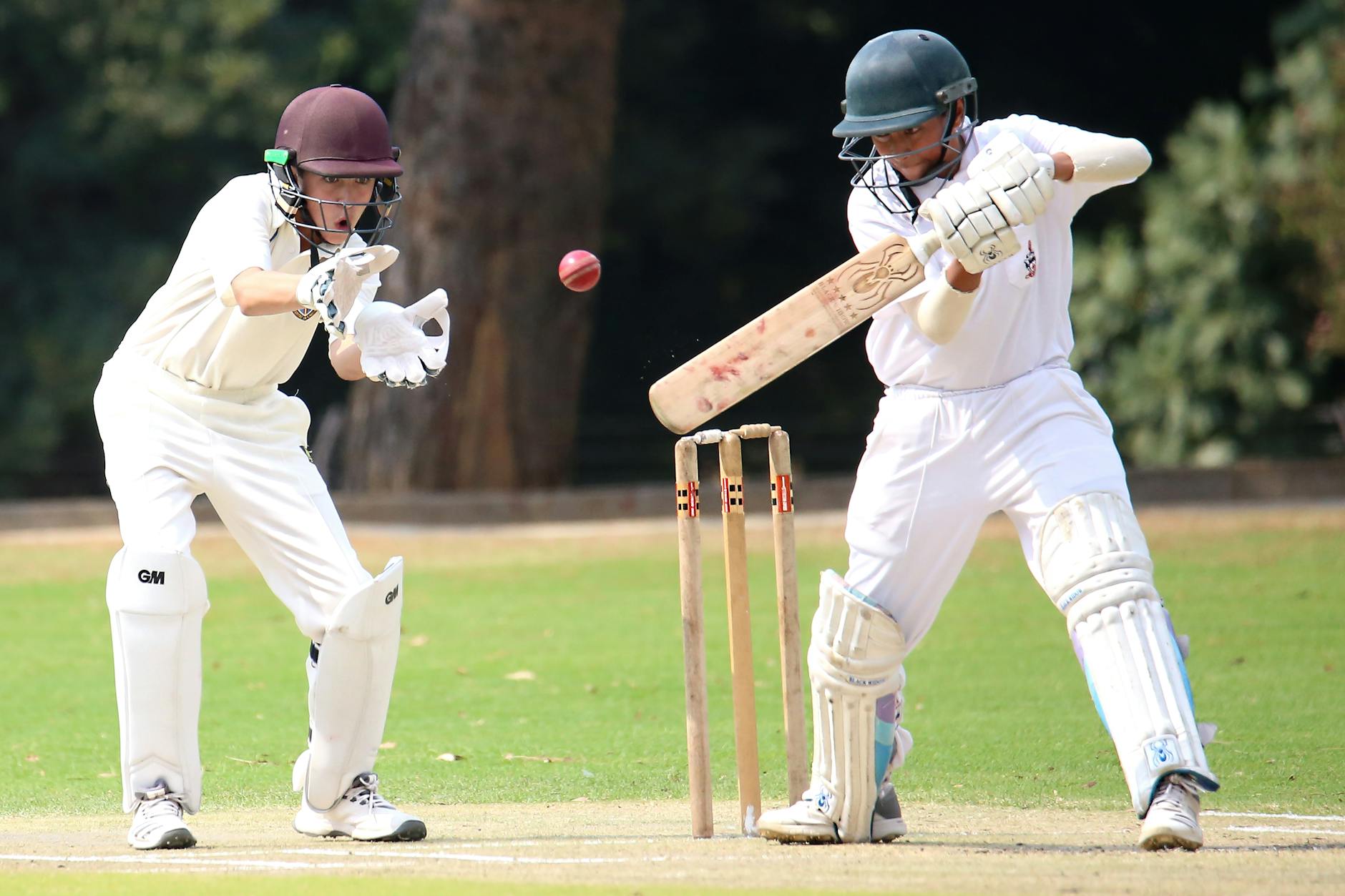
The story of cricket equipment begins in the 17th century, with the first documented use of a cricket bat in 1624. By 1629, the Chertsey bat emerged, characterized by its curved design similar to a hockey stick, crafted from a single willow billet. This marked the beginning of a long journey of evolution in cricket bats, which would see numerous changes in design and materials over the centuries.
Regulatory Developments
Fast forward to September 1771, when Hambledon’s regulations established a bat-width limit of 4¼ inches. This decision arose after a batter appeared with an excessively wide bat, demonstrating early efforts to standardize equipment. These regulations have remained intact, ensuring fairness in the game as it evolved. By 1864, the laws were further codified, fixing bat dimensions at a maximum width of 4¼ inches and a length of 38 inches, coinciding with the transition to overarm bowling.
Innovations in Bat Design
The 20th century brought significant structural innovations to cricket bats. In the 1960s, Slazenger introduced shoulderless bats that improved weight distribution, while in 1974, Gray-Nicolls’ Scoop design expanded the sweet spot by hollowing the rear. However, not all innovations were welcomed; the introduction of Dennis Lillee’s aluminium “ComBat” in 1979 led to a ban on non-wooden blades by the MCC due to safety concerns. The balance of tradition and innovation has always been a key theme in the evolution of cricket bats.
Modern Advances
The modern era has seen the rise of big-edge, cleaver-profile bats, such as the Powerbow and MRF-branded bats, catering to aggressive batting styles like Bazball. In 2005, Kookaburra attempted to introduce carbon-reinforced spines, but this was withdrawn due to rule noncompliance. The MCC also banned carbon and graphite handles in 2006, showcasing the ongoing tension between innovation and regulation in cricket equipment.
Evolution of Cricket Balls
Cricket balls have similarly evolved from inconsistent, locally made models to standardized, machine-shaped, and hand-stitched leather balls. The materials used in cricket balls now include a leather casing, linen or cotton stitching, a worsted wool wrap, and a cork or cork-rubber core, all finished with lacquer or shellac. This evolution reflects a commitment to quality and performance, ensuring consistency across the game.
Recent Developments
In April 2026, the England & Wales Cricket Board introduced new checks on bat dimensions, limiting edge thickness to 4 cm, overall depth to 6.7 cm, and width to 10.8 cm. This move aims to curb the trend of “monster” bats that dominate modern play. Additionally, discussions at a May 2026 ICC Board meeting highlighted ongoing research and development for innovative lighting technologies and the trial of pink balls in Test cricket, indicating a broader commitment to equipment evolution in the sport.
Conclusion
The evolution of cricket bats, balls, and related equipment showcases a rich history of innovation and regulation that reflects the changing dynamics of the game. As cricket continues to adapt to modern playing styles, the balance between tradition and innovation will remain critical. The ongoing developments, particularly in bat dimensions and materials, suggest that cricket’s equipment landscape will keep evolving, shaping the future of the sport.
CricLove Verdict: The evolution of cricket equipment is proof of the sport's adaptability. As regulations tighten and innovations emerge, players and manufacturers must navigate this landscape thoughtfully, ensuring that the spirit of the game remains intact while embracing progress.